Category: Uncategorized

  • Laptop Tote Quality Control Before Shipment

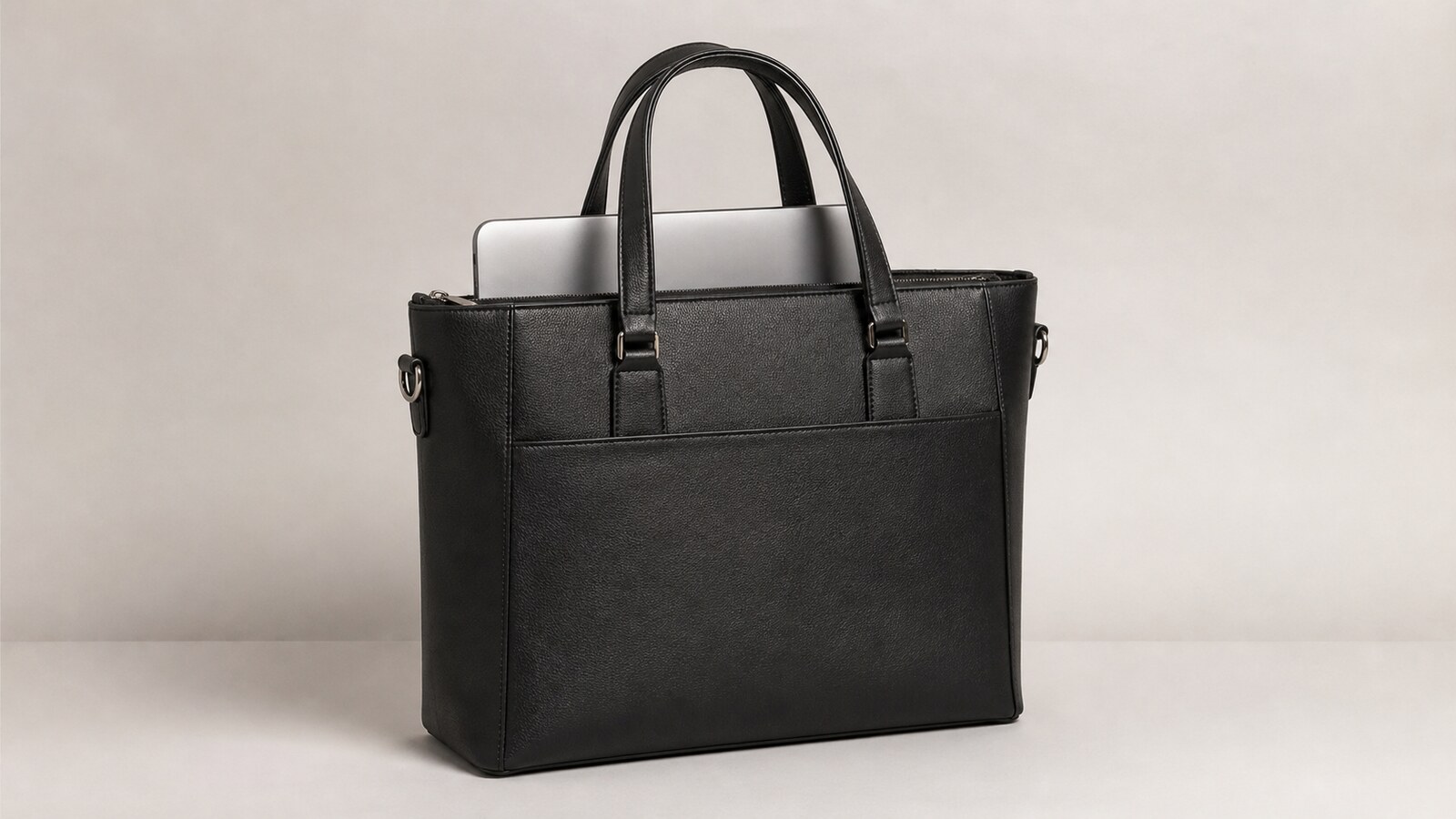
    A pre-shipment review for a laptop tote should compare finished goods with the approved sample and written specification. This checklist helps private label buyers define the points that matter before production and packing are complete.

    Confirm laptop fit and compartment dimensions

    Use the approved laptop size and internal dimensions as the reference. Check that the intended compartment, opening and closure allow the planned device to be placed and removed as expected. If a padded divider, sleeve, elastic restraint or separate compartment is required, confirm its position, coverage and usable space against the approved sample.

    Review padding, lining and internal organization

    Review the specified padding direction, lining color, pocket layout, pen loops, zipper pockets and other internal features. Check that pocket sizes, stitching and lining alignment match the approved construction. Any acceptable variation should be agreed for the selected material and product before shipment, not assumed after packing.

    Check handles, straps and load-bearing construction

    Compare handle attachment, reinforcement panels, strap adjustment, edge finishing and visible stitching with the approved sample. Confirm that the tote stands, opens and carries as intended for the agreed construction. If a buyer needs a defined load test or inspection procedure, establish the method and acceptance criteria before production begins.

    Inspect closures, hardware and exterior finish

    Check zipper operation, pulls, magnetic closures, hardware attachment, feet and exterior panels. Review material color, grain, finish, logo placement and edge treatment against the approved reference. Record any concerns with photos and agreed disposition before goods move to final packing.

    Verify branding, accessories and carton marks

    Confirm logo size and placement, internal label copy, hangtags, dust bags, barcode labels, polybags, carton labels and shipping marks. The final packed product should match the buyer-approved packaging specification and destination requirements.

    Set the inspection scope before bulk production

    Agree the inspection timing, sample reference, quantity checks, photo records and any third-party inspection or special testing required for the order. A clear scope makes the final review more useful than a general request to check quality.

    Plan the product and inspection together

    Use this checklist alongside the laptop tote bag collection and the quality control process. For a project-specific review, send the approved sample requirements, product reference, target quantity, packaging details and delivery country through the RFQ form.
  • OEM vs ODM Leather Bags: What Buyers Should Know

    OEM and ODM are often used together in sourcing conversations, but they start from different levels of product definition.

    Choose OEM for a defined style

    OEM works best when the buyer has a reference sample, detailed images, a technical pack or confirmed measurements. The factory can then review material, lining, pockets, hardware, logo, packaging and target quantity.

    Choose ODM for a starting construction

    ODM is useful when the buyer has a market or brand direction but does not yet have a final product specification. A base silhouette can be adapted through colour, material, logo, lining, hardware and packaging.

    Use sampling to close the gap

    For either route, sampling is where the product becomes specific. Confirm proportion, material feel, stitching, edge finishing, zipper operation, logo placement and packaging before bulk production.

    Build an RFQ around production decisions

    State product type, market, quantity, reference image, material, logo, packing, delivery country and timing in the quotation request.

    Request a structured quotation or email [email protected].

  • How to Customize Logo on Leather Handbags

    A logo decision affects material selection, reinforcement, hardware, sample timing, packing and retail presentation.

    Start with the product surface

    Embossing and debossing depend on material, grain, thickness and available placement area. Test the intended size and pressure on the sample instead of approving from a digital mock-up alone.

    Choose the correct method

    Common methods include embossing, debossing, metal logo plates, printed logos, woven labels and internal labels. Each method changes the construction and finish decisions.

    Include logo details in the sample brief

    Share usable artwork, colour or metal finish, size and placement. Confirm whether the mark appears on the exterior, lining, hardware, hangtag or packaging.

    Review the complete presentation

    Approve the logo with the intended material, edge finish, hardware, lining and packaging. Check that the method remains practical for repeat production.

    Request a structured quotation or email [email protected].

  • How to Inspect Leather Bags Before Shipment

    A pre-shipment inspection should compare finished goods with the approved sample and written specification.

    Inspect material and colour

    Compare material grain, colour, sheen and backing with the approved reference. Agree in advance what variation is acceptable for the selected material.

    Check construction and function

    Review measurements, handle attachment, strap adjustment, pockets, zipper operation, lining alignment and hardware attachment. Check stitching and edge finishing.

    Verify branding and packing

    Confirm logo size and placement, label copy, hangtags, dust bags, barcode labels, carton labels and shipping marks before goods leave the factory.

    Agree the scope early

    If you need AQL, a third-party inspection company, special tests or photo records, define the scope before production.

    Request a structured quotation or email [email protected].

  • Guangzhou vs Other China Bag Manufacturing Hubs

    The best sourcing hub depends on the product, material, development support, logistics and buyer communication needs.

    Evaluate the product ecosystem

    Ask whether the supplier can source the material, hardware, lining, logo components and packaging needed for your exact construction. A city name does not replace project verification.

    Compare sampling communication

    Review how suppliers clarify dimensions, document logo placement, show material options and record revisions. Clear sampling communication supports better bulk-order control.

    Review export readiness

    Discuss quality checkpoints, packing, labels, inspection arrangements and export terms before choosing a supplier.

    Use a comparable RFQ

    Send the same product reference, quantity, market, material, branding, packaging and destination to each candidate supplier.

    Request a structured quotation or email [email protected].

  • PU Leather vs Genuine Leather for Private Label Bags

    PU leather and genuine leather suit different product directions. The correct choice depends on market, hand feel, structure, price direction, use and claim requirements.

    Start with end use

    A structured work tote, lightweight commuter bag, travel bag and wallet may need different material behaviour. Consider fold lines, edge finishing, hardware attachment and weight.

    Compare real samples

    Review surface, grain, thickness, backing, smell, flexibility, edge appearance and response to the logo method through samples or swatches.

    Use precise claims

    Product pages, hangtags and packaging should use wording supported by the selected material and available documentation.

    Build the quote from material choice

    Material affects cost, MOQ, lead time, logo method, packaging and inspection. Include the preferred material in the RFQ.

    Request a structured quotation or email [email protected].

  • How to Choose a 15.6 Inch Laptop Tote Bag Supplier

    How to Choose a 15.6 Inch Laptop Tote Bag Supplier

    Choosing a 15.6 inch laptop tote bag supplier is not only about finding a tote that looks large enough. Private label buyers need a supplier that can confirm the usable laptop compartment, structure, carrying points, branding details and inspection plan before a sample or bulk quotation is approved.

    1. Confirm the usable laptop fit first

    A 15.6 inch device does not define one universal bag measurement. Ask the supplier to review the actual laptop dimensions, sleeve opening, padding allowance, closure clearance and the space needed for a charger or documents. A reference image can indicate the intended silhouette, but it does not prove the internal compartment will fit the buyer’s target device.

    For a broader comparison of available structures, review the laptop tote bag manufacturer collection. For a material-specific development brief, see custom PU laptop tote bags.

    2. Specify the structure around office use

    State whether the tote needs a padded laptop sleeve, centre divider, zip-top closure, document pocket, shoulder strap, reinforced base or trolley sleeve. Each detail affects the pattern, material use, handle reinforcement, hardware and final quotation. Suppliers should ask how the bag will be used rather than assume that every office tote requires the same layout.

    3. Compare suppliers using the same sampling brief

    Give each supplier the same reference images, target laptop dimensions, material direction, logo method, packaging request, target quantity and delivery country. Ask which assumptions are included in the quotation and which details still need to be confirmed on a sample. This makes supplier quotes comparable and helps identify missing construction or packaging costs early.

    4. Ask the MOQ and lead-time questions in context

    MOQ and lead time depend on the final material, colour count, logo method, lining, hardware and packaging. Zise starts from 100 pieces per colour and 200 pieces total for applicable handbag programs. A first order typically takes about 45 days after confirmation; repeat orders with confirmed specifications typically take about 30 days. The confirmed quotation remains the source of truth for a specific project.

    5. Review private label details before bulk production

    Logo placement, lining, zipper pullers, hardware finish, hangtags, dust bags, barcode labels and cartons should be reviewed on the approved sample where applicable. A supplier should be able to record these decisions so a repeat order is evaluated against the same reference rather than an informal description.

    6. Define quality checkpoints before shipment

    For a laptop tote, the inspection discussion should cover dimensions, laptop compartment construction, handle attachment, zipper operation, lining, hardware, logo placement and packing. Buyers who need AQL inspection, third-party inspection or particular test requirements should define the scope before production begins. See the broader bag quality control process for the relevant order-review checkpoints.

    Questions to send before requesting a sample

    • What are the actual laptop dimensions and the required sleeve clearance?
    • Which internal compartments, closure and carry options are required?
    • What PU material, logo method and packaging direction fit the target market?
    • What quantity, colour count and delivery country should the supplier quote?
    • Which quality checks and order evidence are required before shipment?

    Start a focused supplier review

    Send your laptop size, reference image or technical pack, target quantity, material direction, logo request, packaging plan and delivery country through the RFQ form. This lets the sourcing team review the structure before recommending a sample or bulk-production plan.
  • How to Source Custom Logo Commuter Bags in Bulk

    How to Source Custom Logo Commuter Bags in Bulk

    Sourcing custom logo commuter bags in bulk requires more than selecting a handbag style and adding a logo. Corporate buyers, distributors, and uniform program managers need products that match brand image, daily staff use, delivery schedules, and procurement budgets.

    Clarify the Logo Use Scenario

    Before sampling, define whether the bag is for employee gifting, staff uniforms, hospitality teams, airline crew, retail staff, or office teams. The use scenario affects logo size, placement, color, packaging, and structure.

    Choose the Right Bag Construction

    Corporate commuter bags should balance professional appearance with daily usability. Structured totes, zip top work bags, and lightweight office handbags are common choices. Buyers should check handle comfort, internal organization, zipper quality, and how the logo appears on the surface.

    Compare Logo Methods

    • Embossing creates a subtle premium look.
    • Metal plate branding gives stronger visibility.
    • Silk print works for simpler logos and lower-cost projects.
    • Custom hardware can support larger uniform programs.

    Review Cost, MOQ, and Sampling

    Logo method, color matching, packaging, and material availability all affect MOQ and lead time. A good supplier should help buyers choose a practical customization route instead of pushing unnecessary complexity into the first order.

    Prepare the Delivery Schedule

    Corporate projects often have fixed rollout dates. Buyers should confirm sample approval time, material confirmation, production schedule, QC window, packing, and shipping timeline early in the project.

    Request Bulk Custom Options

    Send your industry, bag use case, logo file, quantity, target color, and deadline. We will recommend suitable corporate handbag structures, logo methods, and production options for your bulk order.

    Launch Navigation

    Need custom logo commuter bags for a corporate program? Send your corporate handbag project requirements or review the corporate handbag category.

    Related Corporate Handbag Sourcing Pages

  • Recycled PU vs Traditional PU for Commuter Handbags

    Recycled PU vs Traditional PU for Commuter Handbags

    Recycled PU and traditional PU can both be used for commuter handbags, but they support different product positioning. For B2B buyers, the right choice depends on target market, sustainability messaging, price range, appearance expectations, and supply planning.

    Core Material Differences

    Traditional PU is widely used for office tote bags because it offers stable appearance, flexible finishes, and broad availability. Recycled PU is selected when brands want a more sustainability-oriented material direction, especially for eco work tote bags and private label collections.

    Appearance and Texture Comparison

    Both material directions can support smooth, textured, and structured finishes. Buyers should review swatches carefully because surface feel, color depth, and grain consistency can affect perceived value in office bag collections.

    Cost and MOQ Considerations

    Recycled PU may require more careful material planning depending on color, finish, and supplier availability. Buyers should confirm MOQ, material lead time, color options, and whether repeat orders can maintain a similar appearance.

    Brand Storytelling Implications

    Recycled PU can help a brand build a clearer sustainable positioning, but the claim should be communicated carefully. Avoid vague promises and focus on material direction, product durability, responsible packaging choices, and transparent sourcing language.

    Which Buyer Profiles Prefer Which Option

    • Traditional PU suits mainstream office bag collections with stable price targets.
    • Recycled PU suits sustainable fashion brands, ESG-oriented lines, and buyers building eco-focused product pages.
    • Mixed collections can use both directions to test market demand.

    Request Recycled PU Options

    Share your sustainability positioning, target price, preferred finish, packaging needs, and estimated quantity. We will recommend practical recycled PU work bag directions for sampling and bulk production.

    Launch Navigation

    Building a sustainable work bag line? Send your recycled PU work bag requirements or review the recycled PU work bag category.

    Related Recycled PU Work Bag Sourcing Pages